Pulse Flushing
Professionally Engineered High Energy Pulse Flushing
B&W Energy Services’ Pulse Flushing service involves injecting a compressible aerated water slug into piping systems at high velocities, which increases cleaning effectiveness over air blowing, while minimizing water consumption compared with traditional water flushing. Our Pulse Flushing equipment utilizes coded pressure-tested vessels and is built specifically to clean difficult-to-clean systems and incorporates safety requirements to protect our personnel and your employees.
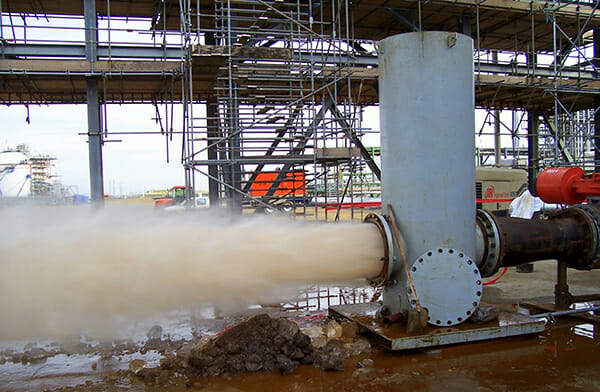
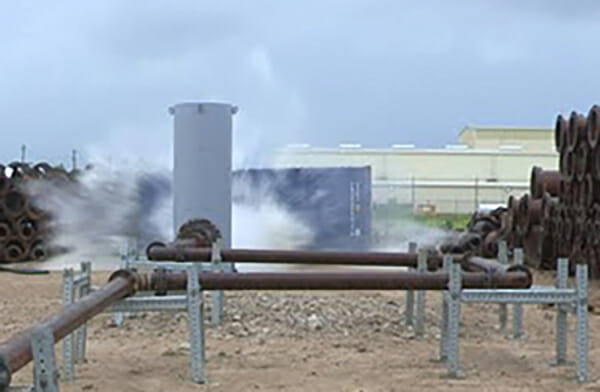
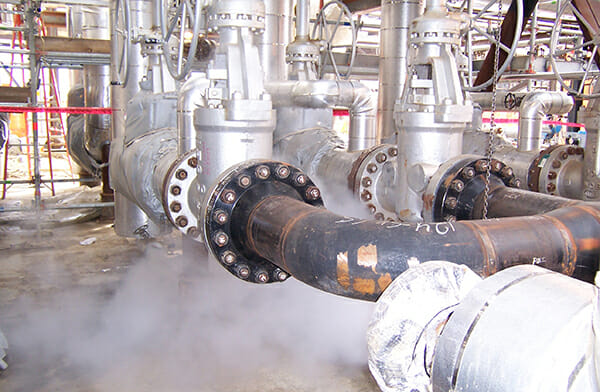
B&W has the experience in the following Pulse Flushing Services:
- Professional Degreed Engineer (PE)
- Temporary equipment built to ASME B31.3 Process Piping Code
- Reliable owned and operated air compression equipment
- Debris catchers required to safely perform high volume high velocity flushes
- Custom designed air receivers, code stamped, required to correctly perform effective pulse flushing
- Detailed procedures including erection isometrics, spool drawings and pipe restraints
Quick Facts
Service Type: High-energy hydraulic cleaning
Primary Purpose: Dislodge stubborn internal debris
Typical Use Case: Complex or long piping systems
Core Method: High-velocity water pulses
Operating Medium: Water
Pulse Energy: Exceeds normal flushing energy
Typical Velocity: Up to 2–3× operating velocity
Pipe Range: 1″–48″+ diameter
Contaminants Removed: Weld slag, sand, rust, debris
Environmental Impact: Water-based, no chemicals
B&W has been designing and professionally engineering multiple cleaning services worldwide on some of the world’s most complex projects.
Many process piping systems constructed in new plants do not require significantly high cleanliness levels and are often times “flushed” with water after hydrostatic testing. Unfortunately, this process often times does not remove any significant or large construction debris and can pose major problems during plant start-up.
B&W has developed a fully containerized high-energy Pulse Flushing method for gross construction debris removal. The pulse flush process is based on a propelled slug (Pigging effect) of water that is maintained by constant upstream pressure. This keeps the slug of water intact and traveling up to 30 to 70 feet per second or more through the system piping, assuring large loose debris removal and faster cleaning.
The B&W Pulse Flushing process is highly effective at removing gross construction debris from complex small bore piping systems and can be used effectively on long or complex piping systems up to 12″NPS.
Which flushing method is best for my system: pulse flushing or high-velocity oil flushing?
| Criteria | Pulse Flushing | High-Velocity Oil Flushing |
|---|---|---|
| Action Type | Cycled pressure pulses | Continuous high-velocity flow |
| Best for | Loosen stubborn deposits | General containment removal |
| Time | Often shorter | Longer, depending on system |
| When to choose | Stubborn/complex systems | Standard flushing needs |
FAQs
What is pulse flushing in industrial piping systems?
Pulse flushing is a high-energy pre-commissioning cleaning method that propels a slug of water at high velocity through piping to remove construction debris and contaminants.
Unlike conventional flushing, which relies on slow water flow, pulse flushing generates high-velocity pulses that dislodge and transport debris through complex piping systems.
B&W Energy Services engineers each pulse flushing operation to match pipe geometry, system length and project cleanliness requirements, ensuring faster, safer and more reliable cleaning prior to startup.
How does pulse flushing differ from traditional water flushing?
Traditional flushing uses steady flow at lower velocities, which may leave debris, weld slag or mill scale behind in piping systems.
Pulse flushing generates controlled, high-energy water slugs that travel at high velocity, removing debris that conventional methods often miss. By applying engineering controls and staged pulses, B&W ensures complete system cleanliness, reduces the need for repeated flushes and prevents contamination-related startup issues.
What types of systems can be cleaned with pulse flushing?
Pulse flushing can be applied to industrial piping systems up to an NPS 12, including power plant, refinery, petrochemical and industrial process piping.
It is especially effective in long runs, complex geometries and systems that cannot be fully cleaned by conventional flushing. B&W evaluates each system for pressure limits, material compatibility and configuration before designing an engineered pulse flushing plan to achieve full debris removal safely and efficiently.
How is pulse flushing performed safely?
Pulse flushing safety depends on engineered equipment, controlled pressures and experienced execution.
B&W uses coded vessels, debris containment and fully containerized systems to control high-pressure water slugs. Safety procedures, remote monitoring and adherence to ASME B31.3 and other industry standards protect personnel while ensuring effective cleaning. Each project undergoes planning, hazard analysis and quality checks to guarantee safe and predictable results.
Can pulse flushing handle debris in complex or long piping runs?
Yes, pulse flushing is engineered to clean piping with multiple bends, elevations and long runs where conventional methods may leave debris behind.
By calculating pulse timing, slug velocity and system-specific constraints, B&W ensures debris is fully mobilized and captured. This approach prevents blockages, protects downstream equipment and ensures that pre-commissioning or inspection requirements are consistently met in even the most challenging piping systems.
How do you verify cleanliness after pulse flushing?
Cleanliness verification is done through inspections, debris analysis and system monitoring.
B&W documents the flushing process, captures debris volume and location, inspects for residual material and confirms pipe integrity. This provides EPCs and owners confidence that systems are clean and ready for subsequent operations, reduces the likelihood of operational issues and supports compliance with project specifications and industry standards.