Behind industrial steam blow services is a carefully engineered process that requires an experienced team, specialized equipment and precise execution. At B&W Energy Services, our steam blowing procedure is built around proven engineering principles that help you achieve a reliable clean while minimizing downtime and operational risk.
Here’s how B&W performs steam blows.
B&W’s Steam Blowing Procedure
Steam blowing procedures for pipelines vary from facility to facility and are customized to meet your project’s specific needs. However, whether we’re performing steam blowing for a process facility, an LNG terminal or a combined-cycle power plant, we follow these five steps to create and execute effective steam blowing programs.
Step 1: The planning stage is the most important one of all. During the design phase, B&W’s team of engineers will develop a detailed engineering package that includes all necessary procedures, drawings and checklists to ensure the smooth execution of your steam blowing program. Due to our large inventory of pneumatic target inserters and both wet and dry steam blowing silencers, our engineers can plan to shorten your project’s timeline by rotating our equipment from steam blow to steam blow. We can also incorporate AquaLazing into your steam blowing program to remove more mill scale from your piping systems and further compress your steam blowing timeline.
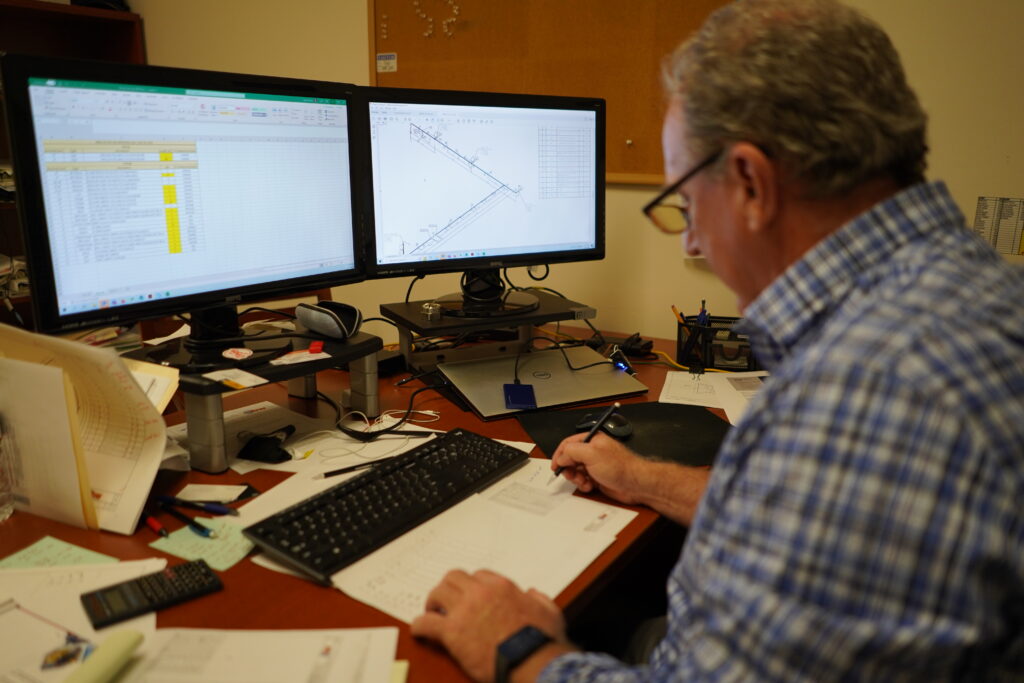
Step 2: Our team uses AFT Arrow, a hydraulic modeling software program, to model our steam blows. We replicate your entire steam system, take P&IDs and isometric drawings, and run our drafted steam blow program on a simulation of your facility’s systems. This helps us determine the amount of resources required to clean your systems, achieve proper cleaning velocities and disturbance factors, and meet both client and OEM specifications.
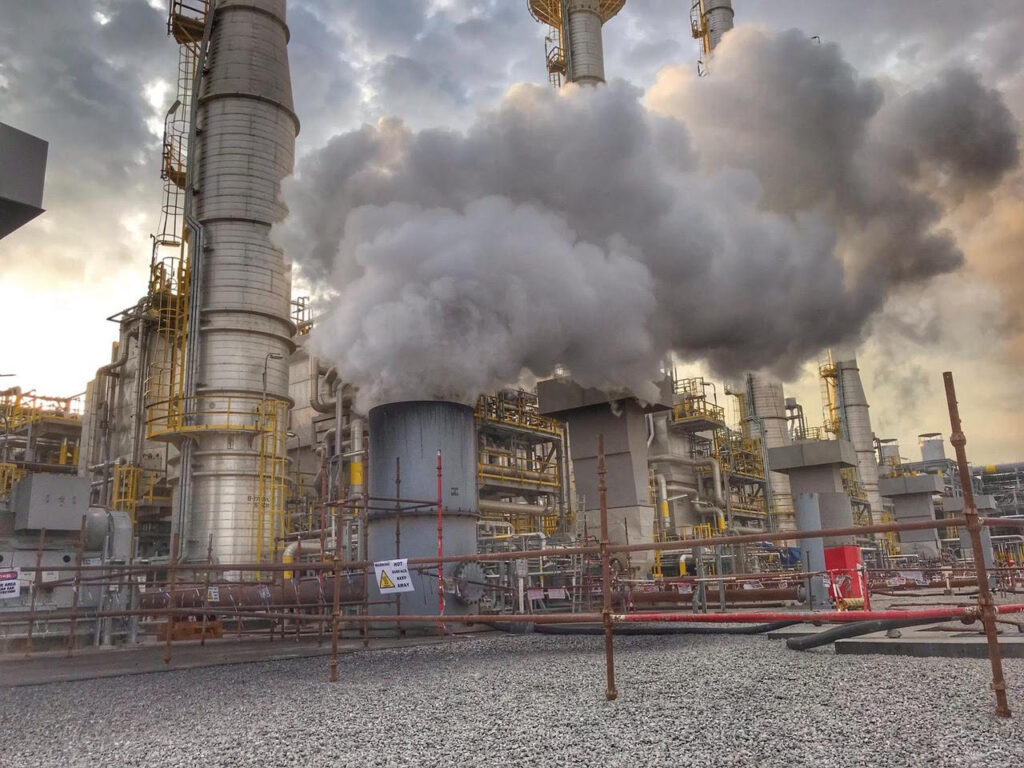
Step 3: When it’s time to put your customized steam blowing program into action, our team travels to your site with our steam blowing silencers, steam blowing target plates, pneumatic target inserters, sacrificial valves and any other necessary equipment required to perform our steam blows efficiently and effectively. Since our founding in 2002, B&W has engineered and executed steam blow projects in over 22 countries, so we’re no stranger to international projects and can mobilize to almost anywhere in the world.
Step 4: Continuous steam blowing, exhaustive steam blowing and hybrid steam blowing all vary in their method of execution and duration. However, regardless of your specific steam blowing program, our team measures water intake as steam output and bases our steam blowing flow calculation on normal operating conditions. We then ensure that dynamic pressure is maintained at least 20% higher than normal operating conditions (with a steam blowing disturbance factor of 1.2 or greater) throughout your piping systems.
Step 5: After completing each steam blow, we shoot and review a target plate for steam blowing to determine whether further steam blows are needed. If the disturbance factor in steam blowing your systems appears correct, but our steam blowing procedure target plate is dirty, we’ll continue steam blows until we observe a clean target plate. We may perform thermal cycling, natural thermal cycling, or other practices that our engineers deem appropriate to aid in the cleaning of your piping systems.
When B&W performs steam blows on your piping systems, we leave no stone unturned—cleaning right down to your drip legs. Our attention to detail and commitment to thorough steam blows have enabled us to consistently meet the stringent steam blowing completion criteria of Shell, Fluor, Worley and other well-known clients. For a steam blowing partner who doesn’t stop until the job is done right, reach out to our team.
FAQs
Can steam blowing damage new boilers or piping?
When properly engineered and executed, steam blowing will not damage new boilers or piping. The risks come from inadequate engineering, improper support and restraint design, or using inappropriate steam blowing methods for the system.
High-pressure exhaustive steam blowing subjects piping to extreme vibrations and stress, which is why B&W Energy Services pioneered low-pressure continuous steam blowing that achieves effective cleaning with dramatically lower reaction forces.
Our engineering team performs comprehensive hydraulic modeling using AFT Arrow software to calculate forces, verify support adequacy and ensure piping systems can safely handle steam blowing conditions. We model entire steam systems. including P&IDs and isometric drawings, before mobilization. Temporary piping is fabricated to ASME B31.3 code standards with proper flanges and supports, and the disturbance factor approach ensures cleaning effectiveness without excessive pressures.
B&W has safely executed over 4,000 individual steam blows across more than 170 projects in more than 20 countries without damaging client equipment. Proper engineering is everything—this is why choosing an experienced steam blowing contractor with proven procedures is critical for protecting your investment.
What is the difference between continuous and exhaustive steam blowing?
Continuous steam blowing uses a steady, low-pressure steam flow that can run around the clock with minimal disruption to surrounding construction activities. It’s the modern industry standard offering lower reaction forces, minimal support requirements and predictable scheduling.
Exhaustive steam blowing, also called “puff blowing,” uses high-pressure steam with quick valve opening and closing to create intense pressure waves that shock pipes, requiring maximum support and restraint.
While exhaustive blowing was common historically, it subjects equipment to extreme vibrations, takes longer to complete, and on HRSG systems forces repeated starts and stops of gas turbines, which reduce turbine lifespan.
B&W Energy Services pioneered the widespread adoption of continuous steam blowing in the early 2000s as a safer, more efficient alternative. Continuous blows can be performed 24/7, dramatically shortening project timelines while achieving the same or better cleanliness levels.
Hybrid approaches combining both methods exist for specific applications, but continuous steam blowing now dominates new power plant construction and HRSG commissioning worldwide.