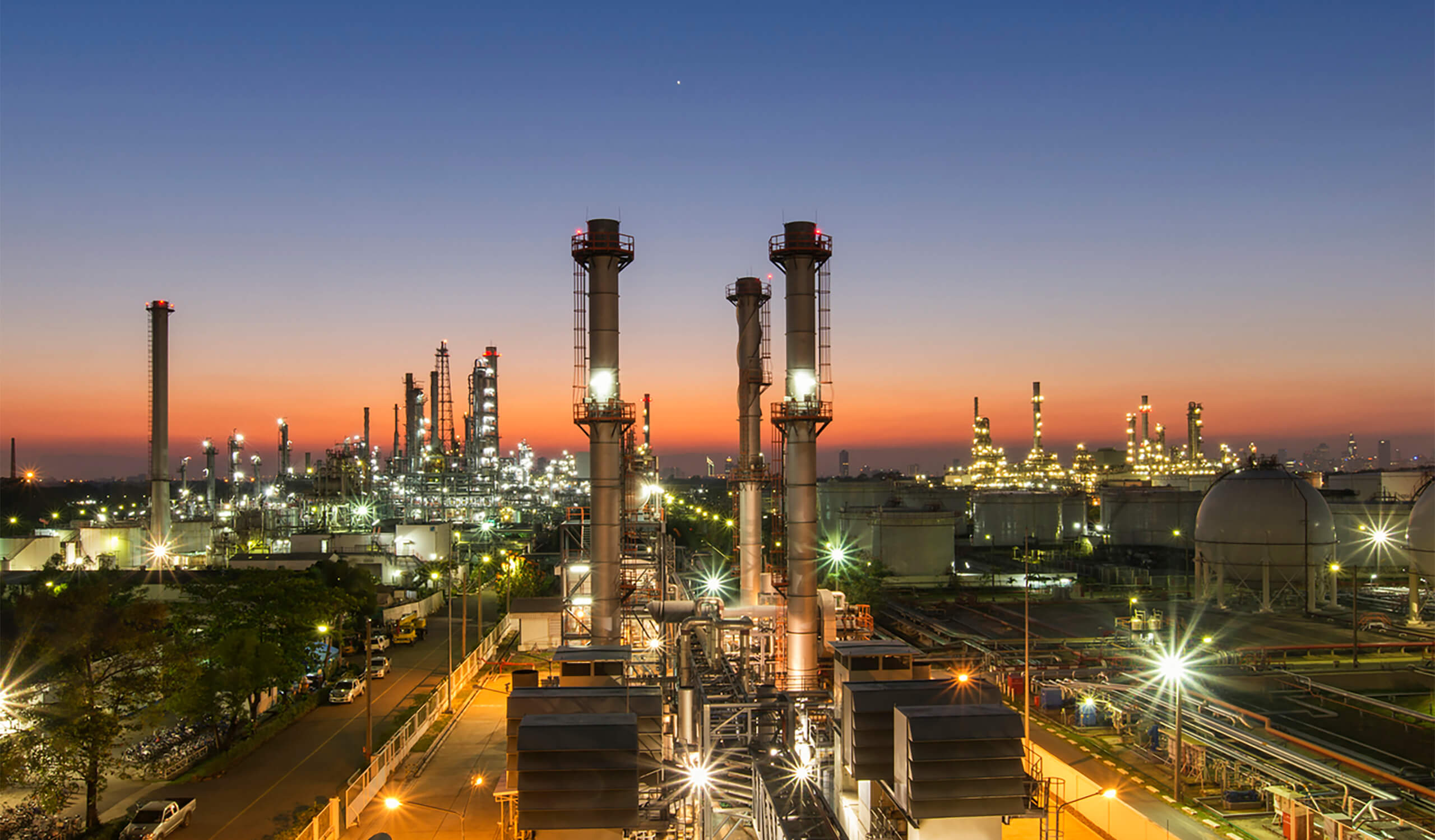
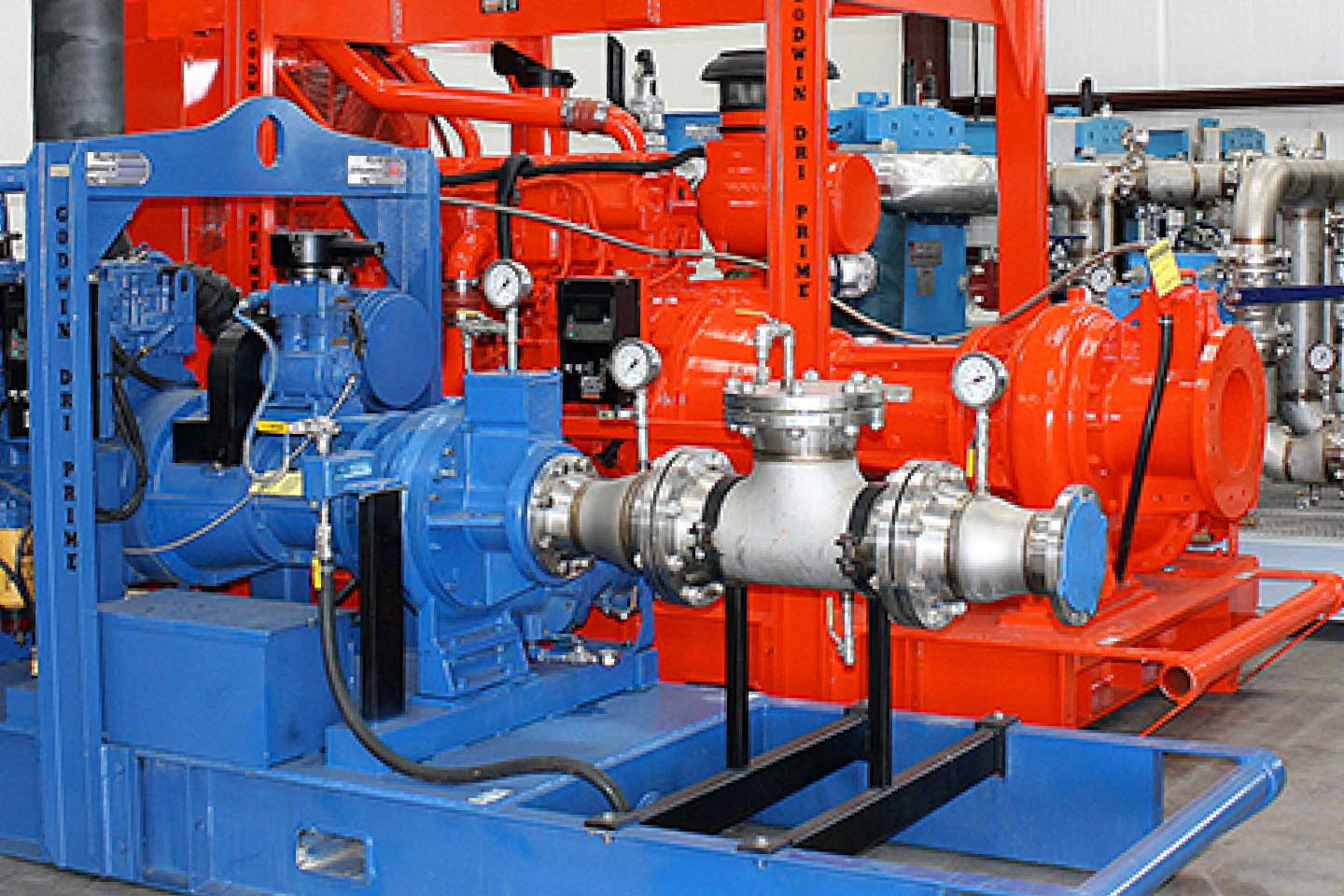
As the size of rotating equipment in power plants and refineries grows, so must the effort to keep that equipment clean. Lube oil flushing is a tried-and-true cleaning method for lube oil and hydraulic systems of all shapes and sizes, and B&W Energy Services knows how to perform it successfully while maximizing cost-effectiveness and efficiency.
What is Lube Oil Flushing?
Lube oil flushing is a cleaning method used to remove dirt, residue, construction debris and other contaminants from oil systems and equipment. Those particles can significantly damage bearings and other sensitive equipment and decrease their lifespan if improperly cleaned. Industrial lube oil flushing should always be performed on newly installed equipment to ensure trouble-free start-up. It’s also often performed on existing equipment during turnarounds.
Ignoring the need for a properly designed lube oil flush can result in costly repairs and downtime down the road. Given the importance of an effective clean, here are the five critical steps to achieve a successful lube oil flush:
1. Evaluate
The first step is to evaluate the system that needs to be cleaned. In order to design the most thorough cleaning procedure for your project, B&W reviews all client, owner and vendor specifications and guidelines at the start to ensure they’re incorporated into the engineered procedure. Our team examines design inputs, including process and instrumentation diagrams, erection isometrics, vendor drawings, data sheets, metallurgy and target contamination. After analyzing these materials, we take it all into consideration as we develop a plan.
2. Plan
After evaluation, B&W develops a cleaning plan. Our detailed engineering package will cover all aspects of the lube oil flushing procedure from start to finish. During the planning stage, our engineers will engage with your project reliability engineers to align expectations and go over any OEM criteria and additional design considerations. We’ll evaluate pre-cleaning measures, calculate cleaning velocities and required flow rates, identify dead legs that can trap debris and take other proactive measures to maximize the cost-effectiveness of our proposed cleaning plan. Faulty gaskets are one of the key contributors to an extended lube oil flushing procedure, costing you more time and money. That’s why B&W addresses these and other concerns from the start, specifying high-quality gaskets and ensuring they’re included in the plan.
3. Model
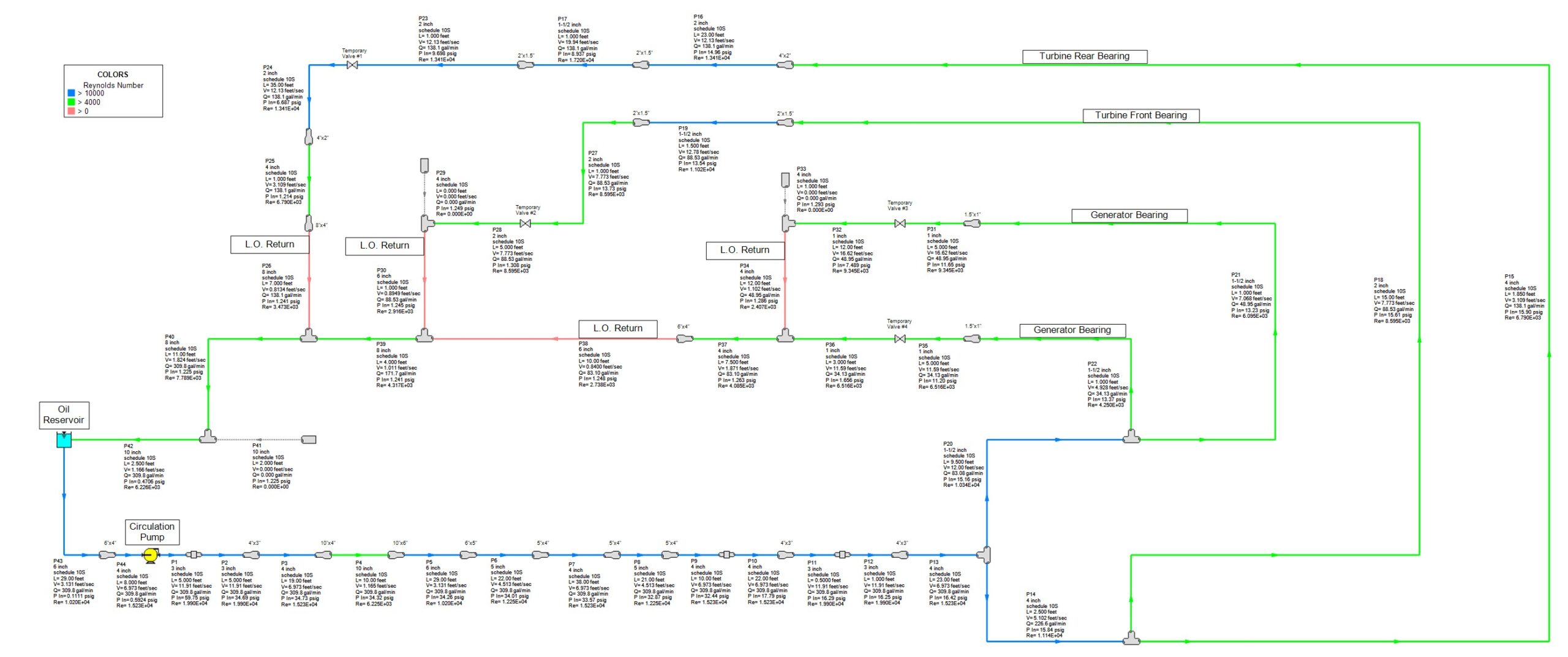
The next step is to perform incompressible fluid modeling. This stage is vital, as it confirms that design flow rates and velocities will be achieved during fluid circulation. It also ensures proper temporary equipment sizing and ratings to reach appropriate Reynolds numbers during lube oil system flushing. At B&W, we understand the importance of designing cleaning processes that function on paper just as well as they do in the field. Amateurs guess, and experts check. By taking the time to conduct this step, we’re one step closer to achieving accuracy and efficiency in the lube oil flushing process.
4. Mobilize
Once engineering is complete and the plan is in place, our experienced field supervisors mobilize to the site with specialized oil flushing equipment. B&W’s lube oil flushing skids are designed in-house with integrated pumping, filtration, and heating components in a minimum footprint setup, allowing for rapid mobilization and reduced rig-up time. We offer multiple skid options to tackle lube oil systems of all sizes, each equipped with variable frequency drives. All B&W temporary hoses, fittings and equipment arrive pre-cleaned with wrapped flanges to eliminate the risk of further contaminating a lube oil system once mobilized. Need specialty flushing kits, custom fittings, bearing jumpers or other specific pieces of oil flushing equipment? B&W provides those, too.
5. Execute
Last but not least, we execute the cleaning plan. To optimize lube oil flushing efficiency, we employ thermal cycling of the lube oil, altering its viscosity to facilitate faster contaminant retrieval. Our high-volume filtration process significantly reduces flushing durations. We also utilize special vibration tools during flushing. This technique aids in dislodging and moving larger particles out of the system, further enhancing the effectiveness of the flushing process. We understand that preventing cross-contamination and potential leaks during flushing is paramount. B&W Energy Services is committed to meticulously inspecting, cleaning and wrapping each component before it’s even shipped to the site to ensure thorough, efficient lube oil flushing for your systems.
Lube Oil Flushing in Action
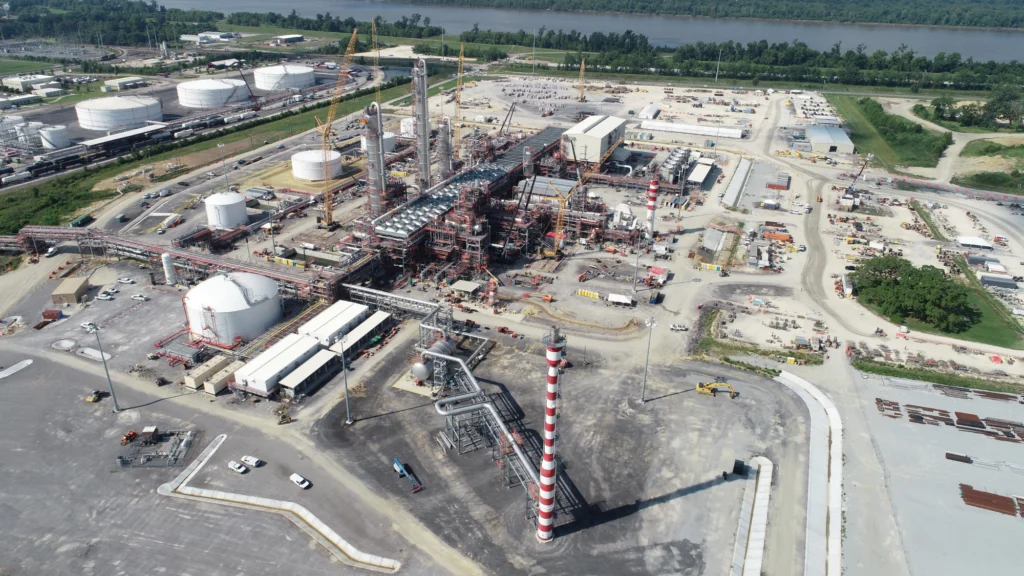
B&W was contracted by Methanex, the world’s leading methanol supplier, to perform lube oil flushing, AquaLazing, pigging and other pre-commissioning services for their Geismar 3 plant. Methanex’s G3 plant will be capable of producing 1.8 million tonnes of methanol per year while maintaining one of the lowest CO₂ emissions intensity profiles in the methanol industry.
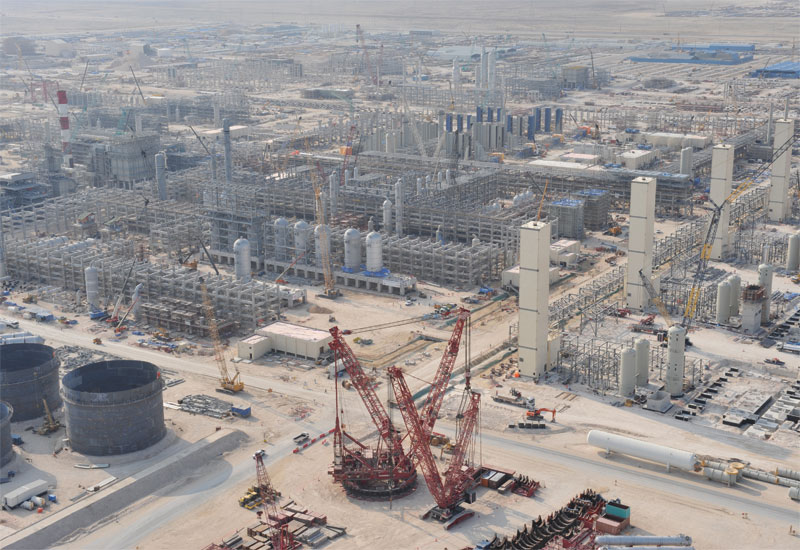
Our team was also honored to be chosen by Shell to provide our professionally engineered lube oil flushing, steam blowing, and AquaLazing cleaning services for their $19 billion GTL plant. Contributing to the Pearl GTL project increased our global reach and still serves as a testament to the scale of B&W’s capabilities.
From evaluating and planning to modeling and executing, B&W Energy Services has decades of experience performing highly successful lube oil flushing services for our clients worldwide to maximize their equipment’s lifespan. Contact us today to learn more about how our lube oil flushing services can add value to your facility.
FAQs
How long does high-velocity oil flushing take?
High-velocity oil flushing with B&W Energy Services typically takes 5-7 days from mobilization through achieving OEM cleanliness specifications, compared to traditional methods that require 1-2 months. The dramatic time reduction comes from our proprietary flushing skid design featuring high-volume pumps, advanced filtration systems and thermal cycling capabilities that accelerate contaminant removal. Traditional oil flushing relies on onboard equipment pumps with limited flow capacity, often using small one or two-inch hoses that can’t generate sufficient velocities to effectively clean larger modern turbines.
Project duration varies based on system size, number of bearing lines, initial contamination levels and required cleanliness standards. Multiple turbines or complex hydraulic systems may require additional time. B&W’s engineering approach includes incompressible fluid modeling during planning to accurately predict flushing duration and provide realistic project schedules, helping you meet tight commissioning timelines without compromising cleaning effectiveness.
What equipment is needed for oil flushing services?
Professional oil flushing requires specialized equipment, including high-capacity external flushing skids, high-volume filtration systems, heating components for thermal cycling, bearing jumpers to circulate oil through equipment, custom fittings and adapters, particle counters for cleanliness verification and oil analysis equipment.
B&W Energy Services designs our flushing skids in-house with integrated pumping, filtration and heating in a minimum footprint configuration for rapid mobilization and reduced setup time. Our skids feature variable frequency drives that adapt to wide-ranging flow rates, allowing us to optimize cleaning for different system sizes.
We maintain multiple skid options to handle everything from small hydraulic systems to large gas turbine lube oil systems. All temporary hoses, fittings and equipment arrive at your site pre-cleaned with wrapped flanges to eliminate cross-contamination risks. We also provide hard-to-find specialty flushing kits, custom fittings and bearing jumpers that many projects require but smaller providers cannot supply.
What causes oil flushing to take longer than expected?
Several factors can extend oil flushing duration beyond original estimates. Poor-quality gaskets are among the leading causes.
When gaskets fail during flushing, oil leaks require shutting down the system, replacing the gaskets and restarting the process. Dead legs (piping sections with limited flow) trap debris that releases slowly, requiring extended flushing cycles.
Higher-than-expected initial contamination levels resulting from inadequate construction cleanliness practices require more debris to be removed. Improperly sized flushing equipment with insufficient flow capacity cannot generate the velocities needed for effective cleaning. Using onboard equipment pumps instead of high-capacity external flushing skids dramatically extends timelines.
B&W Energy Services addresses these issues proactively during the planning phase by specifying high-quality gaskets upfront, identifying dead legs that need special attention, calculating proper flow rates through hydraulic modeling and providing appropriately sized flushing equipment. Our engineering approach and purpose-built skids are designed to minimize unexpected delays and ensure complete flushing within the predicted 5-7 day timeframe.