

Author: Chris Oakley
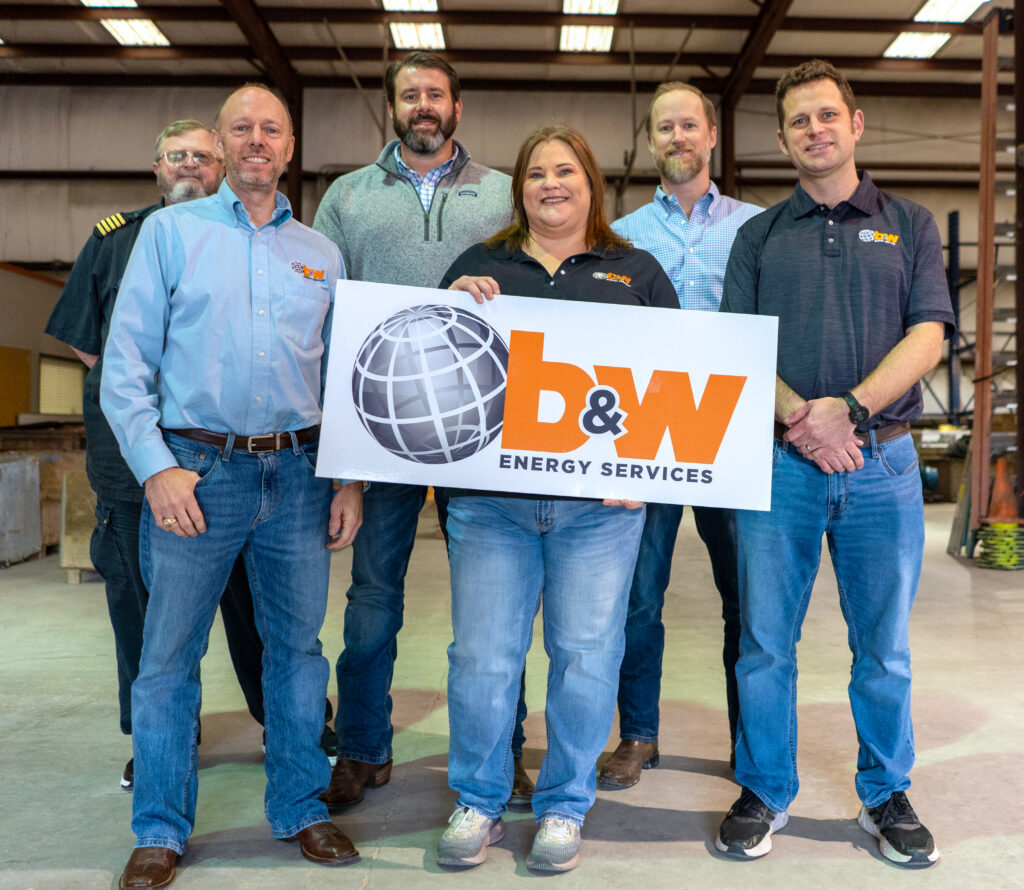
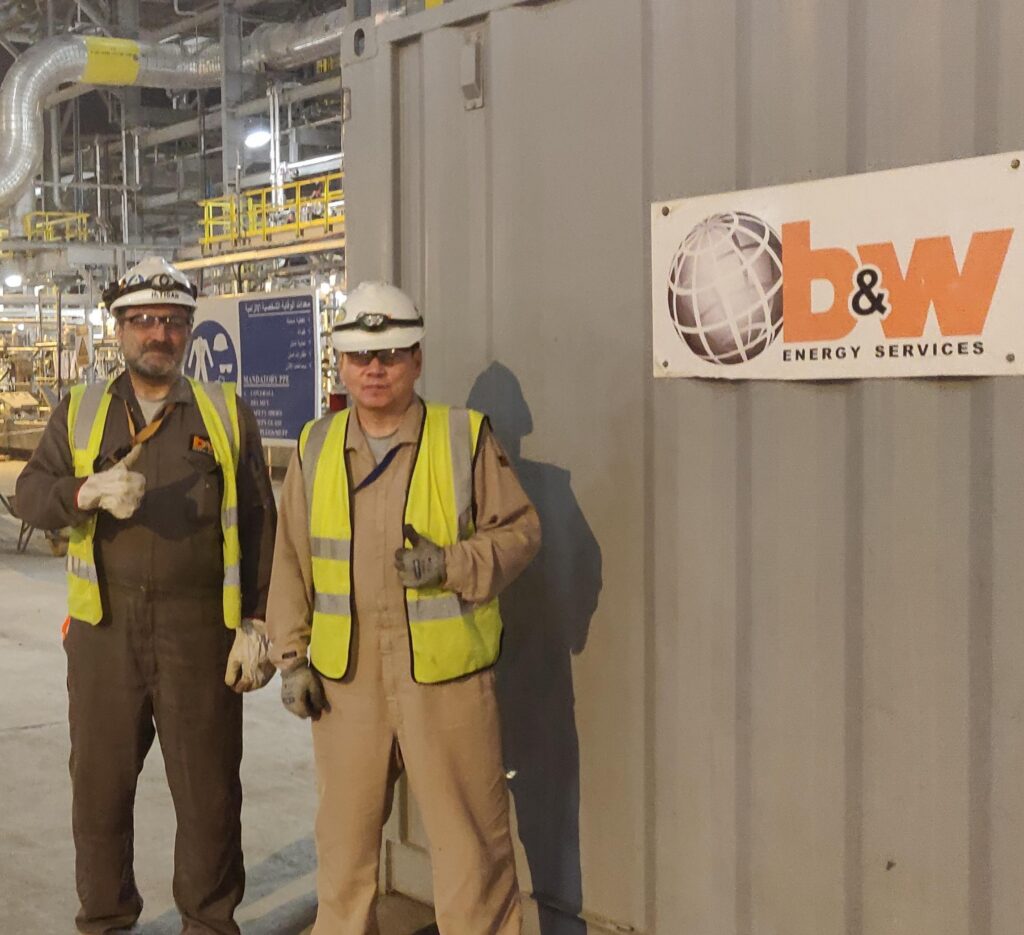
B&W Energy Services was founded in 2001. Since then, we’ve been fortunate to support more than 300 projects in more than 25 countries, working alongside clients, partners and crews who have taught us more than we could ever list in one blog.
For years, our slogan has been “better people, better equipment and better engineering.” After 25 years, what stands out to us most is the word “better.” It’s a comparison, and it only means something when you measure it against where you’ve been. “Better” is never finished.
Here are some of the lessons from the last 25 years that have shaped how we work, along with a few we’re still learning.
Better People
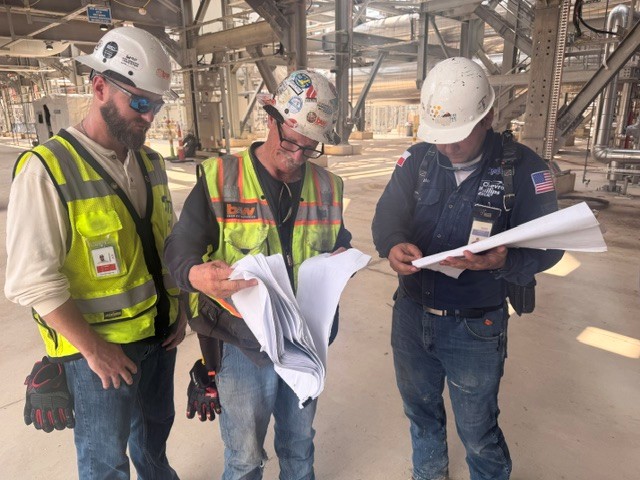
A client can find cleaning equipment and services from several companies. What leaves a lasting impression is having the right people on-site: people who understand the work, communicate clearly and help solve problems when they come up.
Several of our long-standing clients ask for specific B&W supervisors by name to lead our work on their projects, and we don’t take that lightly. It reflects the trust those individuals earned one project at a time, and it gives us something practical to learn from. We’re still working to understand the skills, judgment and personal qualities that make those supervisors successful, so we know what to look for when hiring and what to emphasize as we develop the next generation of B&W employees.
One lesson we share with every new team member is not to assume that everyone else sees what you see. If something doesn’t look right, ask about it, even if you’re the newest person on-site. A fresh set of eyes can catch something a more experienced person has overlooked or gotten used to. You don’t have to know everything to contribute, but you do have to be honest about what you know and speak up when you’re unsure, whether it’s about safety, a technical decision or a commitment to a client. Everyone on our sites has people at home counting on them to return safely, and you speaking up could make a big difference.
Better Equipment
Over the years, we’ve invested heavily in our equipment. We’ve also learned that equipment only matters if it’s ready when the project is.
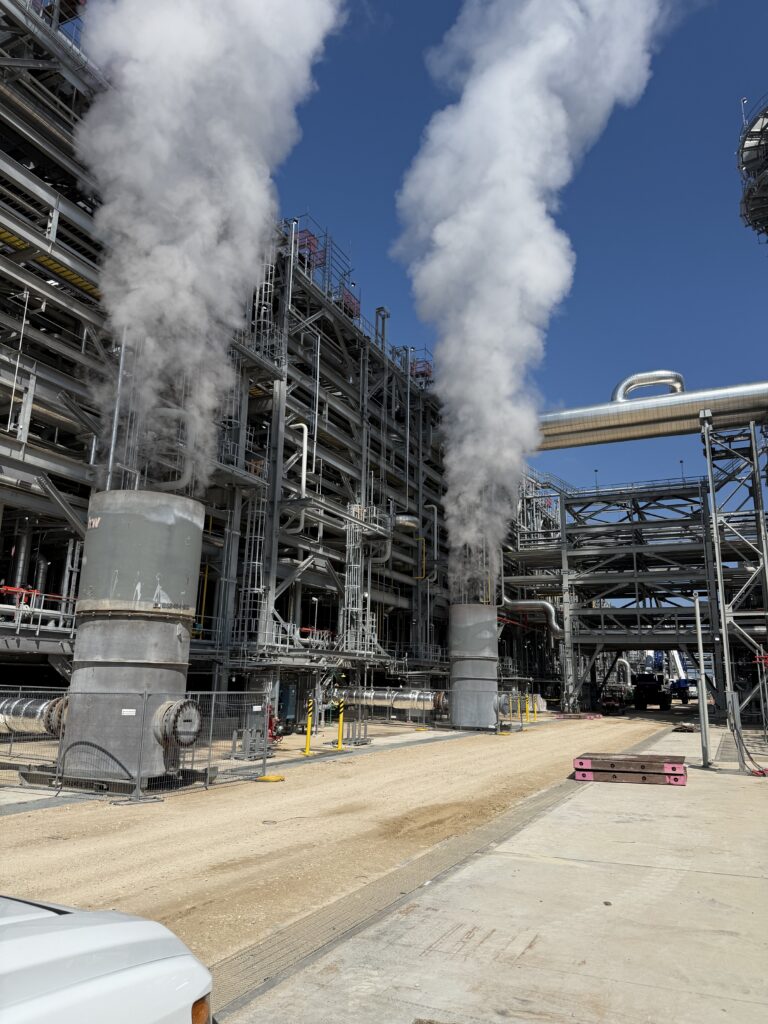
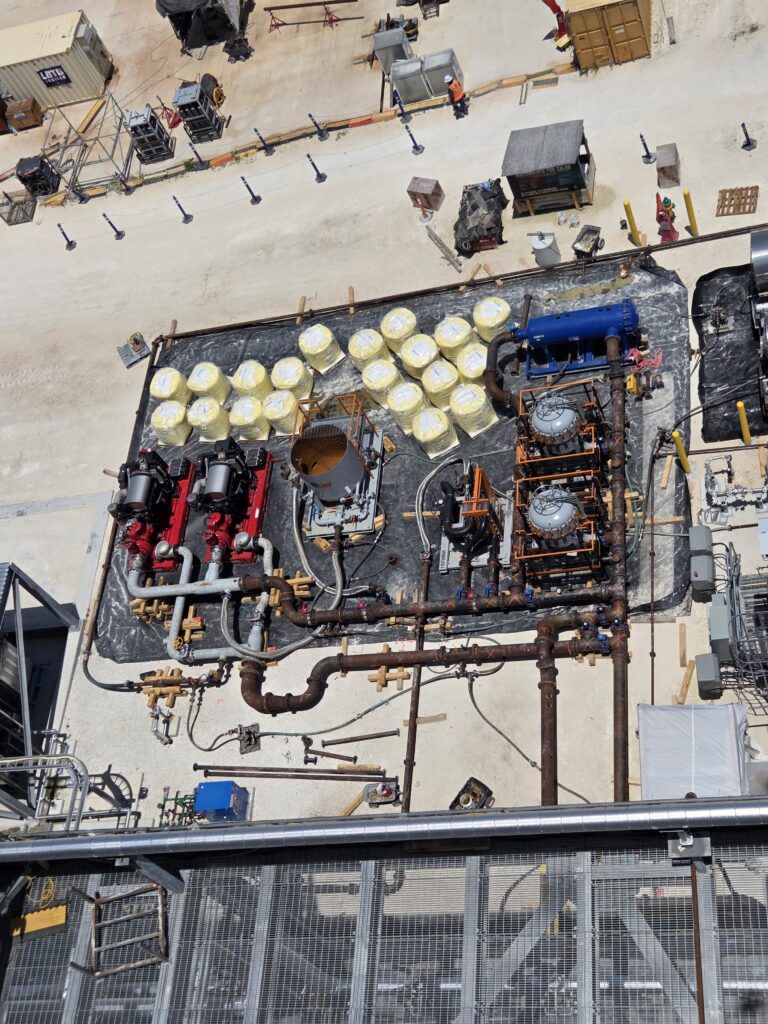
That came into focus on the first phase of a large LNG project on the Gulf Coast. Before mobilization, our team spent several months developing a cleaning sequence and equipment utilization plan built around the anticipated construction turnover dates. As execution got closer, we kept a close watch on progress and saw that some systems wouldn’t be available per the original schedule. We adjusted the equipment plan so that multiple systems could be set up at once, which allowed our crews to move between them as each became available. As a result, the project stayed on schedule.
The lesson here is the difference between having a procedure ready and having a project ready. A strong technical plan still depends on system turnover, available utilities, system access and other teams finishing their work before ours can begin. Today, we work to make our assumptions and readiness requirements clear before mobilization, and we revisit them with our clients as conditions change.
Better Engineering
Early on, we put a lot of weight on having the right technical answer. That still matters, but we’ve learned that a technically sound plan has limited value if the client doesn’t understand it, the field team can’t carry it out in practice or the assumptions behind it have changed.
Before we consider a solution complete, we ask more questions. Have we listened to the people doing the work? Have we explained the tradeoffs? Does everyone understand what has to be ready?
Some of the most valuable engineering happens before any equipment arrives on-site. On a recent project, the client had already put considerable effort into planning their pre-commissioning activities and had built a specification and RFP around that plan. When we reviewed the proposed cleaning circuits, we found limitations that would have prevented the required cleaning conditions from being reached throughout the system. We brought those findings to the client so the approach could be addressed before execution.
That kind of work rarely becomes a story because the problem gets resolved before anyone mobilizes. However, if not caught early, one problem can lead to field modifications, repeat work and schedule delays. We’ve learned that part of our responsibility is to speak up when we see a concern, even when we’ve been asked to quote an established scope.

Better Timing
One pattern we’ve seen across the industry is cleaning being treated as a standalone activity rather than as part of the commissioning and startup plan. The first question is often “How quickly can you clean this system?” before everyone has agreed on system boundaries, acceptance criteria and site support requirements.
We understand why that happens. During construction, everyone has urgent priorities, and cleaning can seem like something to sort out closer to execution. However, as time goes by, decisions about piping, access and sequencing may become too expensive to change. Complex cleaning scopes require a significant amount of planning, and that planning works best when it starts early.
This is an area where we’re still learning. It isn’t enough for us to say that early involvement is worth it. We need to make it easier for clients to justify by showing the specific decisions it helps them make, like avoiding an unnecessary temporary connection, reducing equipment requirements or finding a cleaning sequence that doesn’t slow down other site work.
Our clients also require more coordination from specialty contractors than we used to think. Our work fits into a larger sequence involving construction, commissioning, equipment suppliers and operations. That means we need to understand what our work supports, what could hold it up and who needs information from us to make a decision. We try to be clear about requirements, communicate changes early and offer practical options when problems come up.
Better Handoffs
B&W has grown significantly over the past 25 years. We’ve outgrown our building and yard more than once. With that growth came an important lesson: we can’t rely on a few experienced people to remember every lesson, answer every question or oversee every detail.
Experience has to be transferable. That means being deliberate about how engineering hands work off to operations, how field experience makes its way back into planning and how we prepare the next person to take responsibility. A procedure can capture the steps, but people also need to understand why those steps matter and which conditions should make them stop and ask questions.
As an ISO 9001:2015-certified company, our Quality Management System gives us a structured way to capture lessons from each project, share them across the company and update our processes where needed.
Growth also brings the challenge of keeping the personal accountability of a small company while building the structure a larger one needs. Sales, engineering, operations, safety and our support teams all shape the client’s experience, and we’re at our best when everyone understands those connections and takes ownership of helping each other succeed. Part of that is investing in people early and resisting the temptation to solve every problem from the top. If every difficult decision has to go through one person, the team can’t grow.
We’re also working on how we gather feedback. We try to sit down with our client contacts before the job wraps up and ask, “How did we do?” and “What could we improve?” It’s something we’re still working to do consistently on every project, because that conversation is how we keep getting better.
Thank You for 25 Years
None of what we’ve learned happened on our own. It came from clients who trusted us with their projects, partners who worked alongside us and the B&W employees, past and present, who carried these lessons from one jobsite to the next.
To everyone who has been part of the last 25 years: thank you. We’re proud of where we’ve come from, grateful for the people who got us here and looking forward to the next 25 years of learning, growing and getting better.

Chris Oakley
President
Over the past 20+ years, Chris Oakley has played a key role in B&W’s growth, starting in the field as a technical advisor and field engineer before moving into roles as project engineer, business development representative and director of sales and marketing. His wide range of experience, from the job site to the client relationship, helps shape how he leads B&W today. Chris is also a proud University of Texas alum (Hook ’em!).