Air Blowing
Professionally Engineered Air Blow Services
Whether you need to dewater your fuel gas system following hydrotesting or remove debris from your facility’s systems after construction, B&W’s air blowing services and proprietary equipment provide a thorough clean that strengthens the longevity of your fuel gas systems, natural gas systems, process piping, utilities and more.
For over 20 years, B&W’s team has provided air blowing services for both pre-commissioning and maintenance cleaning for folks like Chevron Phillips Chemical, Kiewit, Enterprise Products Partners L.P., Motiva Enterprises and more.




Quick Facts
Service Type: High-velocity pneumatic cleaning
Primary Purpose: Remove loose debris from piping systems
Typical Use Case: Pre-commissioning of steam and gas lines
Core Method: Compressed air or nitrogen at high velocity
Operating Medium: Air or nitrogen
Typical Velocity: Exceeds system operating velocity
Pipe Range: 1″–120″+ diameter (project dependent)
Cleaning Distance: Hundreds of feet per entry point
Contaminants Removed: Dust, weld slag, scale, construction debris
Environmental Impact: No water or chemicals used
What are Industrial Air Blow Services?
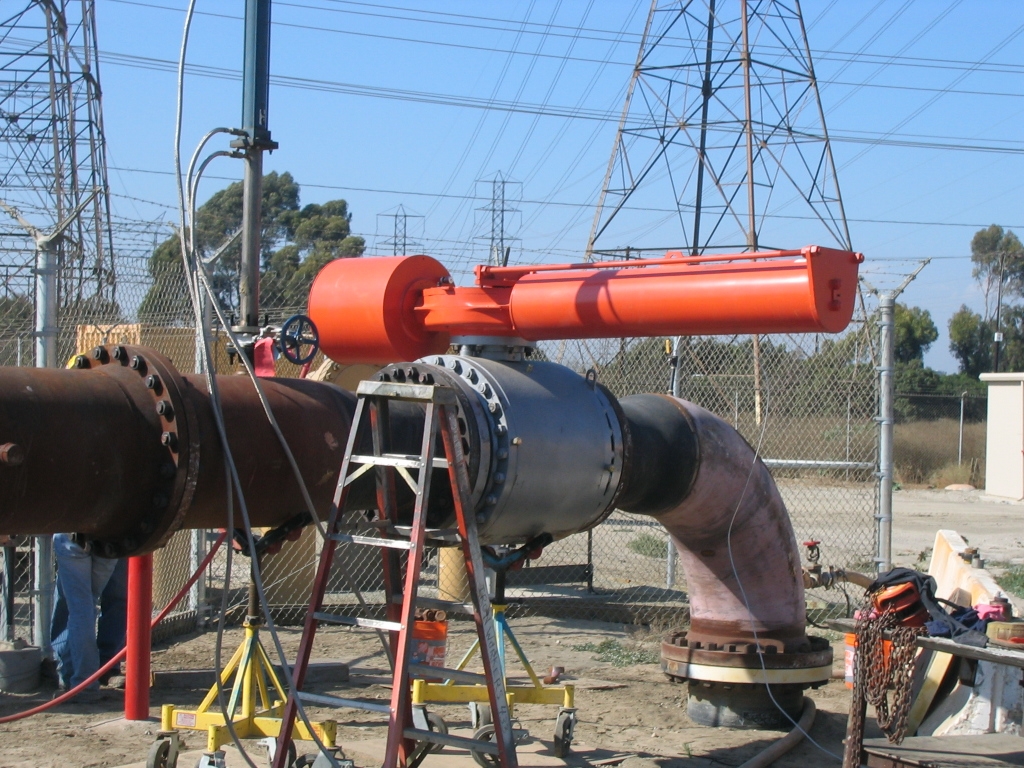
Air blowing services use compressed air to efficiently clean a variety of debris from your facility’s piping systems. It’s also commonly used to dewater your facility’s systems following hydrotesting services. Find out more about the three most common kinds of air blowing here.
Air blowing may also be performed with chemical cleaning services or AquaLazing services to enhance cleanliness on your systems prior to startup activities.
Why is Air Blow Service Important?
If water, construction debris, sand, dirt and other waste remain in your facility’s piping systems after construction, these materials could lead to damage to your piping systems, equipment failure and product contamination down the line.
When your facility’s systems undergo the hydrotesting process between construction and pre-commissioning, dewatering these systems through air blowing is essential. Otherwise, your facility’s critical components can corrode, or the leftover water can freeze. Water left in a fuel gas system can have even more deadly consequences than increased maintenance and repair costs.
The B&W Industrial Air Blow Service Difference
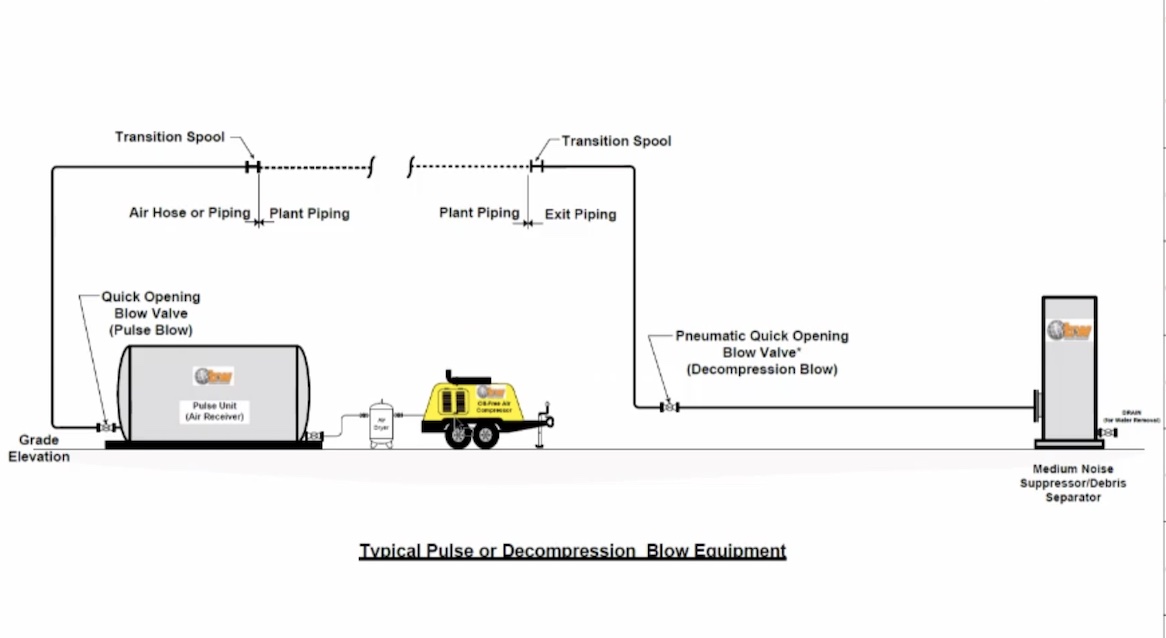
- Our proprietary, fully containerized pulse units and other specialized equipment clean your systems efficiently and effectively
- We remove even the smallest pieces of debris from your piping systems by combining the power of an air compressor with an air receiver, rather than simply pressurizing your piping and calling it cleaned
- Safety is our top priority, with:
- Zero OSHA citations and local regulatory violations in over three years
- Zero significant recordable cases in over three years
- Zero restricted work cases in over three years
- And more
How B&W Performs Air Blow Services
B&W performs air blowing services on your facility’s systems through a tried-and-true five-step process.
1. Assess
2. Model
3. Mobilize
4. Execute
5. Repeat
Curious about our proprietary air blowing equipment and how we perform air blowing services? Discover more on our blog.
Drop us a line to see how B&W’s air blow services can effectively clean your facility’s system during both pre-commissioning and MRO events.
Which pre-commissioning cleaning method is right for my system: air blowing, steam blowing, or chemical cleaning?
| Criteria | Air Blowing | Steam Blowing | Chemical Cleaning |
|---|---|---|---|
| Main effect | Remove water & light debris | Remove debris & validate steam systems | Remove adhered scale, rust, oil or mill scale |
| Best for | Smaller/multiple lines, general water/debris removal | Large steam/pipeline systems, post-construction cleaning | Complex internal contamination in piping & vessels |
| Typical contaminants removed | Water, sand and loose debris | Construction debris, welding scale and water | Oil, grease, rust and mill scale |
| System condition | Wet, after hydrotesting | Wet, after hydrotesting or installation | Wet or dry with internal contamination |
| Equipment needed | Compressed air + piping | Steam source + silencers | Circulating chemical system |
| Time to complete | Short | Medium | Longer due to circulation |
| Environmental impact | Low | Low | Medium (chemical handling required) |
| When to choose | Quick debris/water removal | Debris removal + steam system validation | Deep cleaning beyond simple debris removal |
FAQs
Can air blowing completely dry piping systems after hydrotesting?
Yes, air blowing with properly sized equipment and desiccant dryers can completely dry piping systems after hydrotesting to meet stringent dewpoint requirements.
B&W Energy Services uses air compressors paired with desiccant dryers that remove moisture from compressed air before it enters your piping systems. This dried air absorbs residual water left from hydrotesting and carries it out of the system. For critical applications requiring very low dewpoints, multiple air blowing passes combined with continuous airflow help achieve complete drying.
Dewatering is particularly important for fuel gas systems where any remaining water can cause corrosion, ice formation or dangerous operational issues. Our engineering team calculates the required air volumes, flow rates and number of blowing cycles needed to achieve your project’s specific dewpoint requirements, and we verify dryness through testing before declaring systems ready for startup.
How long does air blowing take for a typical project?
The duration of air blowing varies significantly based on system size, piping complexity, cleanliness requirements and the number of systems that need cleaning.
A simple fuel gas system with a few hundred feet of piping might require 1-2 days for setup, execution and target verification. Complex facilities with multiple interconnected systems, long pipe runs, or stringent cleanliness specifications can take 1-2 weeks or longer.
Each air blowing sequence typically takes minutes to execute, but the process must be repeated multiple times until target cleanliness is achieved. B&W Energy Services uses hydraulic modeling software (AFT Arrow) during the engineering phase to predict the number of blowing cycles required and to provide accurate project timelines.
Our containerized pulse units also arrive ready to operate, minimizing mobilization time, and our experienced crews work efficiently to complete air blowing while coordinating with other construction activities to avoid delays to the overall project schedule.
Do you need air blowing before every plant startup?
Air blowing is essential before initial plant startup to remove construction debris and water from new piping systems. For planned maintenance shutdowns or turnarounds, air blowing may be required depending on the work performed.
If piping systems were opened, repaired or modified during the shutdown, air blowing helps remove any debris, welding slag or moisture introduced during maintenance activities before returning to operation. Systems that were hydrotested after repairs definitely require air blowing for dewatering. However, if systems remained closed and intact during a shutdown, air blowing typically isn’t necessary unless process fouling or contamination occurred during operation.
B&W Energy Services provides both pre-commissioning air blowing for new construction and maintenance cleaning services for operating facilities during turnarounds. Our experienced team evaluates your specific situation to determine whether air blowing is needed and develops the appropriate scope to restore your systems to startup-ready condition efficiently.
What is the difference between air blowing and pigging?
Air blowing uses compressed air flowing through piping to remove debris and water, while pigging uses physical devices (pigs) pushed through pipelines by air, water or product pressure to scrape and clean pipe interiors.
Air blowing is faster and simpler for removing loose construction debris, dewatering after hydrotesting and general cleaning of branched piping systems with multiple connections. Pigging is more effective for removing adherent materials, internal coatings or contamination from long, straight pipeline runs.
Air blowing also works well on complex piping configurations with multiple branches, elbows and elevation changes where pigs cannot navigate. Pigging requires specialized launcher and receiver equipment and works best on straight pipeline runs.
B&W Energy Services offers both air blowing and pigging services, and often combines them on projects—using pigging for long product pipelines and air blowing for facility piping, utilities and fuel gas systems. Our team recommends the optimal cleaning method based on your piping configuration, contamination type and project requirements.