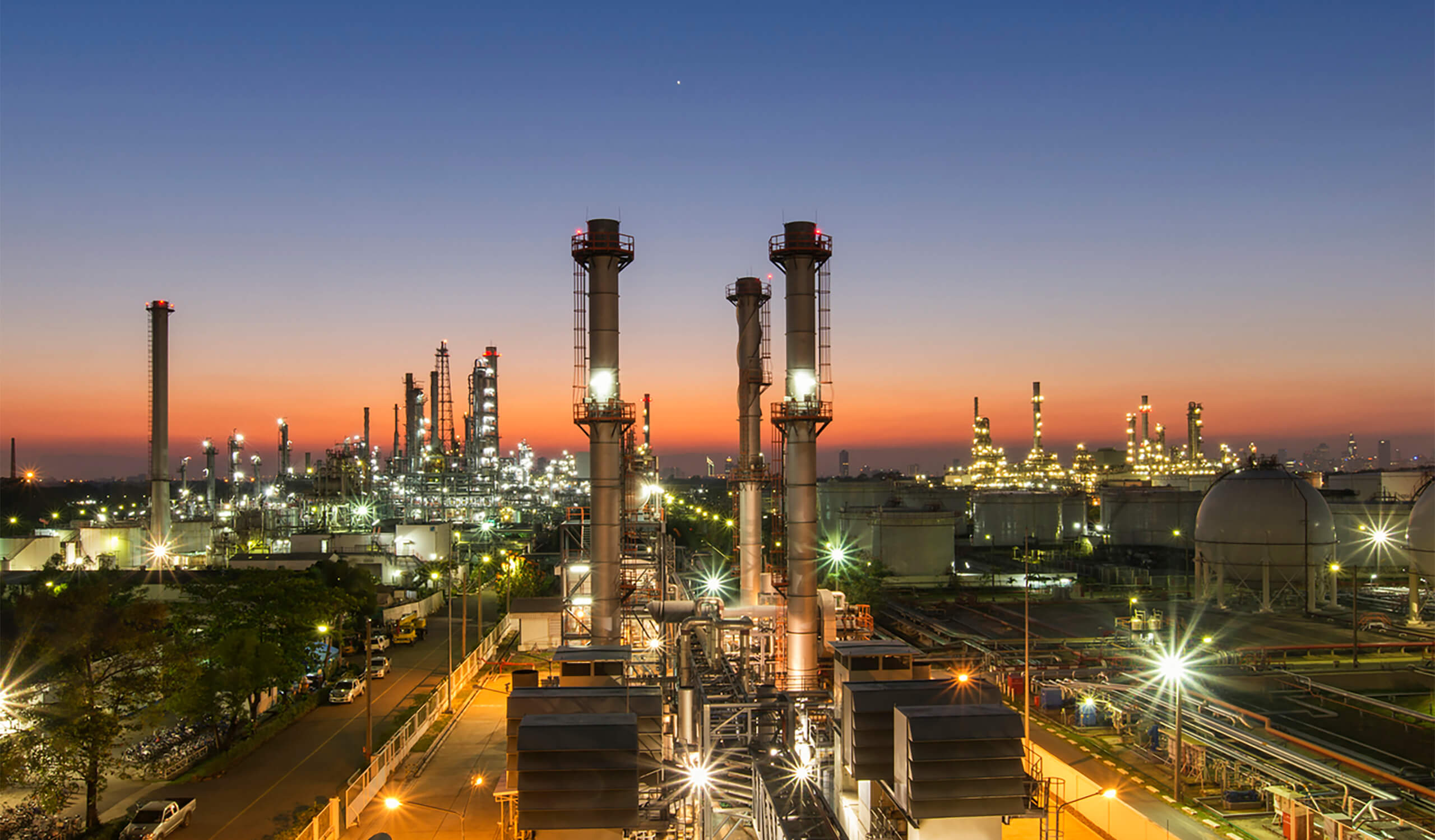
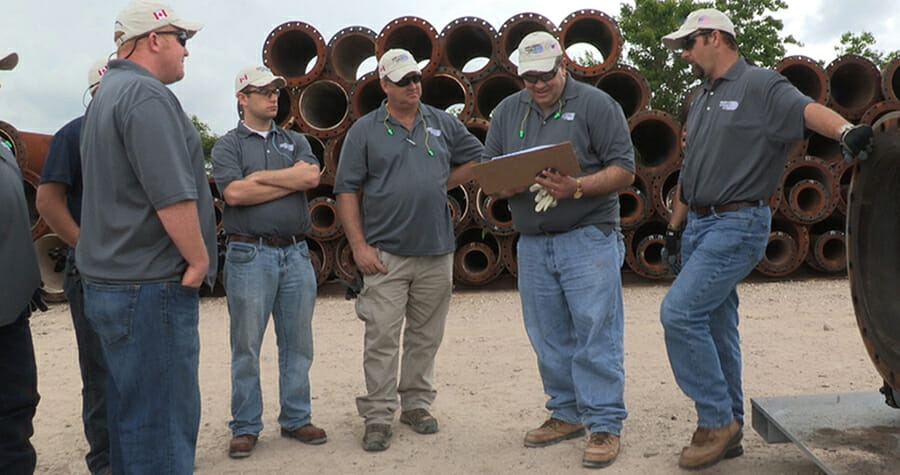
Modern steam blowing is built on a foundation of safety, precision and efficiency. However, reaching that point required decades of trial, error and innovation. In its earliest applications, steam blowing posed serious risks to personnel and equipment. Now, it’s a safe and effective pre-commissioning and maintenance cleaning method.
Understanding this evolution helps explain why current steam blowing practices look the way they do—and why experience and engineering matter in a steam blowing partner.
Early Steam Blowing Hazards
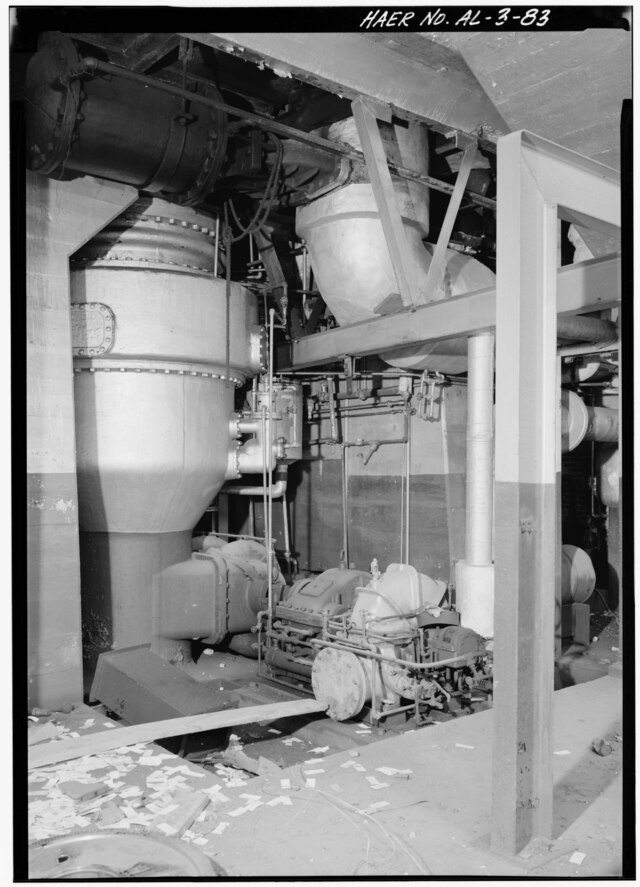
In their infancy, steam blows were extremely unsafe. Open-ended pipes venting high-velocity steam directly into the atmosphere would shatter the glass windows of nearby buildings. Debris would also shoot out of the open-ended piping, posing a danger to personnel and surrounding equipment.
These early steam blows were noisy, too—comparable to the sound of a jet engine. If workers didn’t wear proper hearing protection, they risked suffering from temporary or even permanent hearing loss.
As a result of these hazards of steam blowing, engineers and other pre-commissioning professionals worked diligently to design solutions to make the steam blowing process safer and quieter.
Developing Steam Blowing Safety Precautions
The creation of high-pressure, quick-opening steam blow valves allowed for an instantaneous release of steam and a more effective clean. These valves also shortened the duration of both steam blows and the loud noises they produced.
Pre-commissioning professionals also discovered that injecting water into the temporary steam exit piping would reduce the venting steam velocities and quiet the noise resulting from a steam blowing sequence, leading to the exhaustive steam blow, or “puff blow.”
Eventually, the silencer design for steam blowing was created, using the same idea of adding quench water to a system to reduce the superheated steam and quiet the noise that was a byproduct of steam blowing for many years. Later, the development of the dry steam silencer for steam blowing allowed pre-commissioning professionals to conserve water and save on project costs.
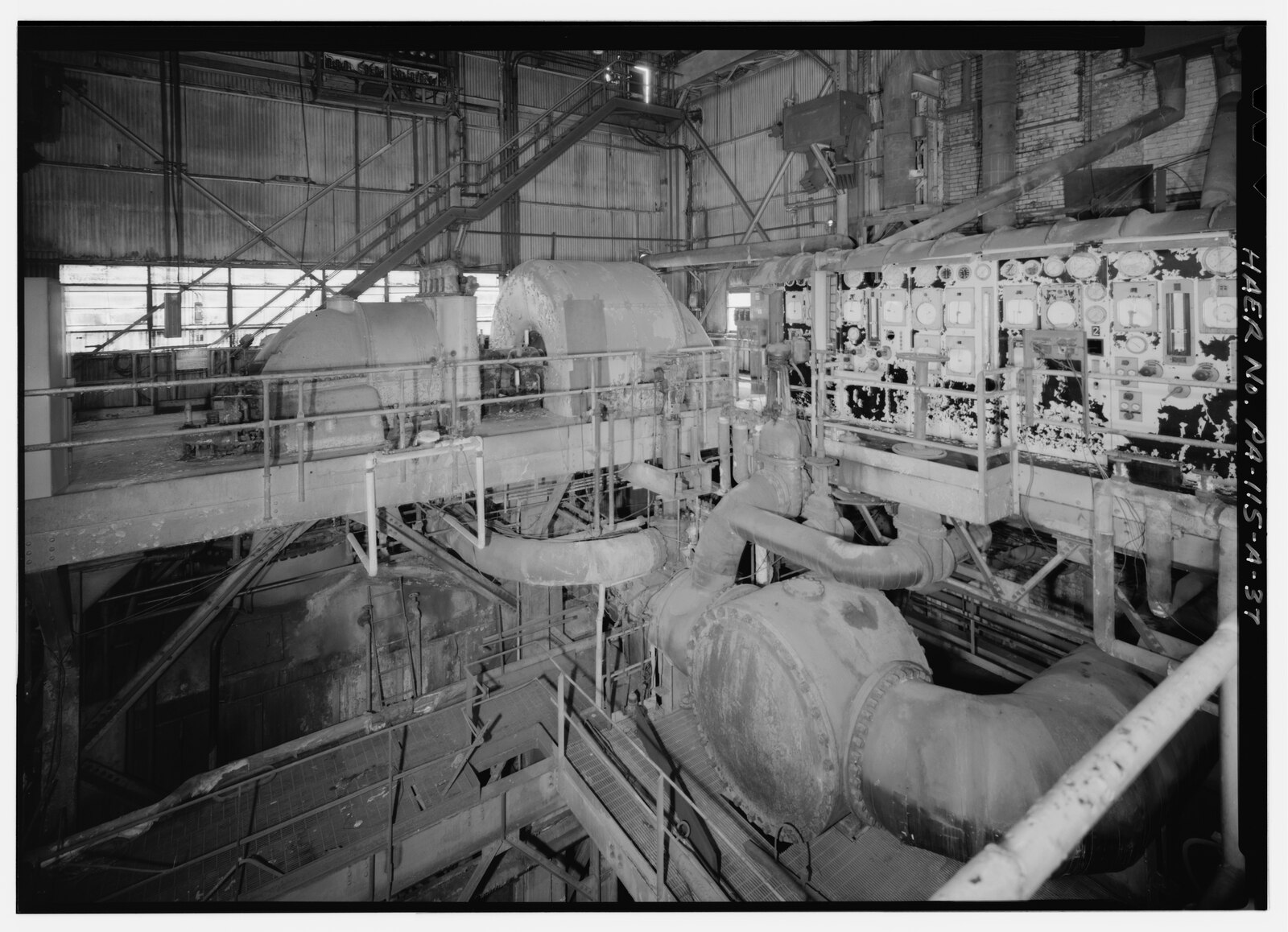
Although the noise issue associated with steam blowing was conquered, there were still progress to be made in the evolution of the steam blowing process and steam blowing safety precautions.
Minimizing Downtime & Maximizing Efficiency
As a result of the high pressures required for exhaustive steam blows, permanent and temporary piping systems were subjected to intense vibrations and stress during steam blowing. Additionally, exhaustive steam blowing on larger systems could take several weeks, or even months, to achieve the cleanliness levels required by most turbine manufacturers or plant engineers.
It wasn’t until much later that these issues were addressed with the introduction of the low-pressure continuous steam blow. With this new process, steam blows could be performed around the clock with minimal disruption to surrounding work activities.
This resulted in less downtime required to clean systems to meet turbine OEM acceptance criteria. The low-pressure continuous steam blow also allowed project managers to more accurately plan for this critical path activity. Today, this process is part of the industry standard for steam blowing, and is widely used on new construction projects around the globe.
Engineering Safer Steam Blows Today
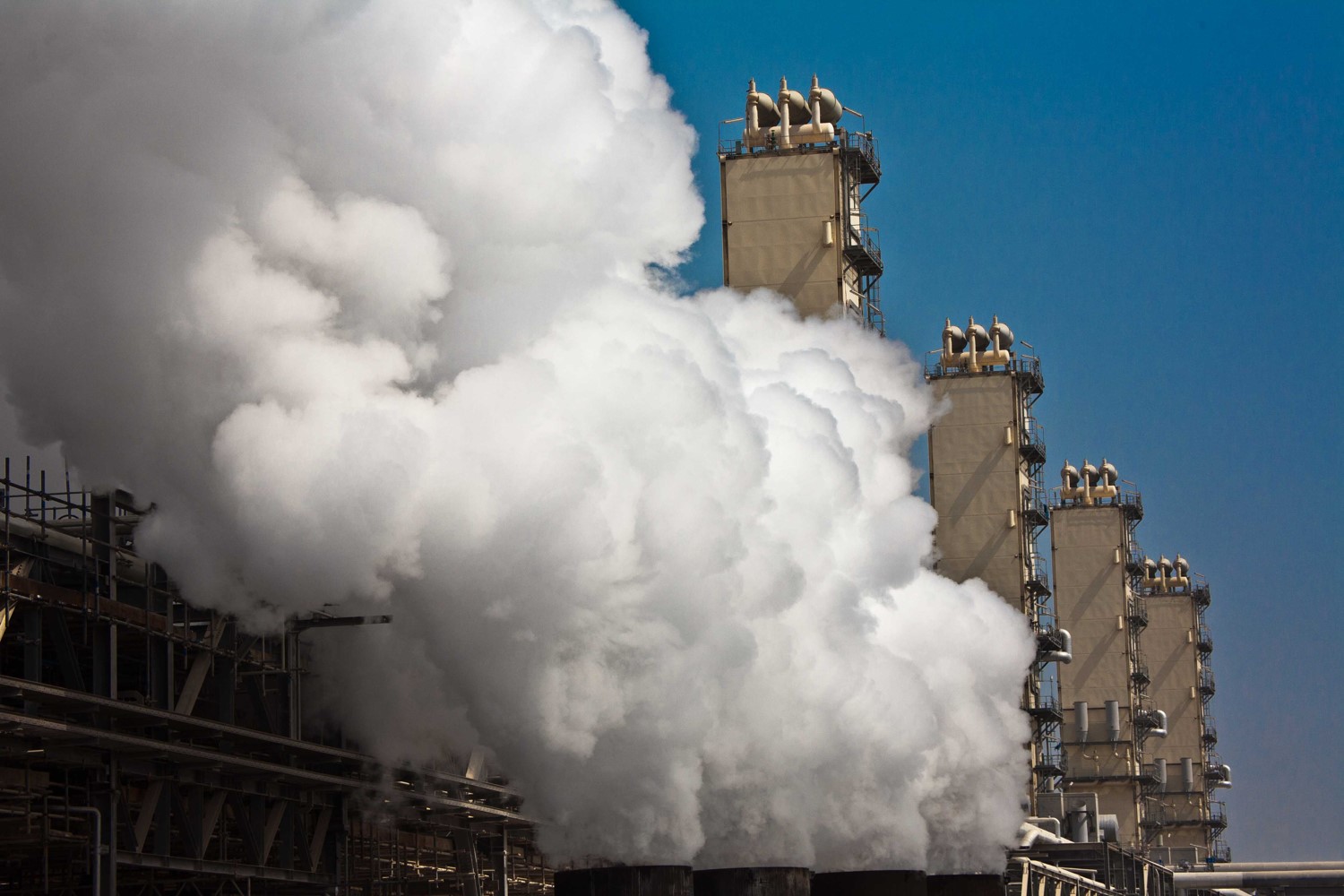
The steam blowing safety precautions and processes used today are the result of decades of innovation from engineers and pre-commissioning professionals who strived to make steam blowing a safer and more efficient practice. Since B&W’s founding in 2002, our team has taken up that mantle in every steam blowing program we engineer and execute.
From upholding the highest safety and quality standards to designing our own pneumatic target inserters to maintaining one of the largest inventories of both wet and dry steam silencers in the industry, B&W Energy Services is committed to delivering safe, effective steam blows that minimize downtime while protecting people, equipment and surrounding work areas.
For a partner who never stops innovating to engineer better steam blows, count on B&W Energy Services. Contact our team to start creating the perfect steam blowing program for your project.